The National Construction Code 2025 introduced a new solar requirement for commercial buildings under Section J, Part J9D5. It applies to most Class 3–9 buildings — the classifications that cover hotels and apartments through to offices, retail centres, schools, and hospitals. For developers, architects, and building owners, it changes how rooftops need to be planned from early in the design process.
The practical effect for most projects is straightforward: if you're designing a new commercial building to NCC 2025, you're installing solar.
What the requirement actually says
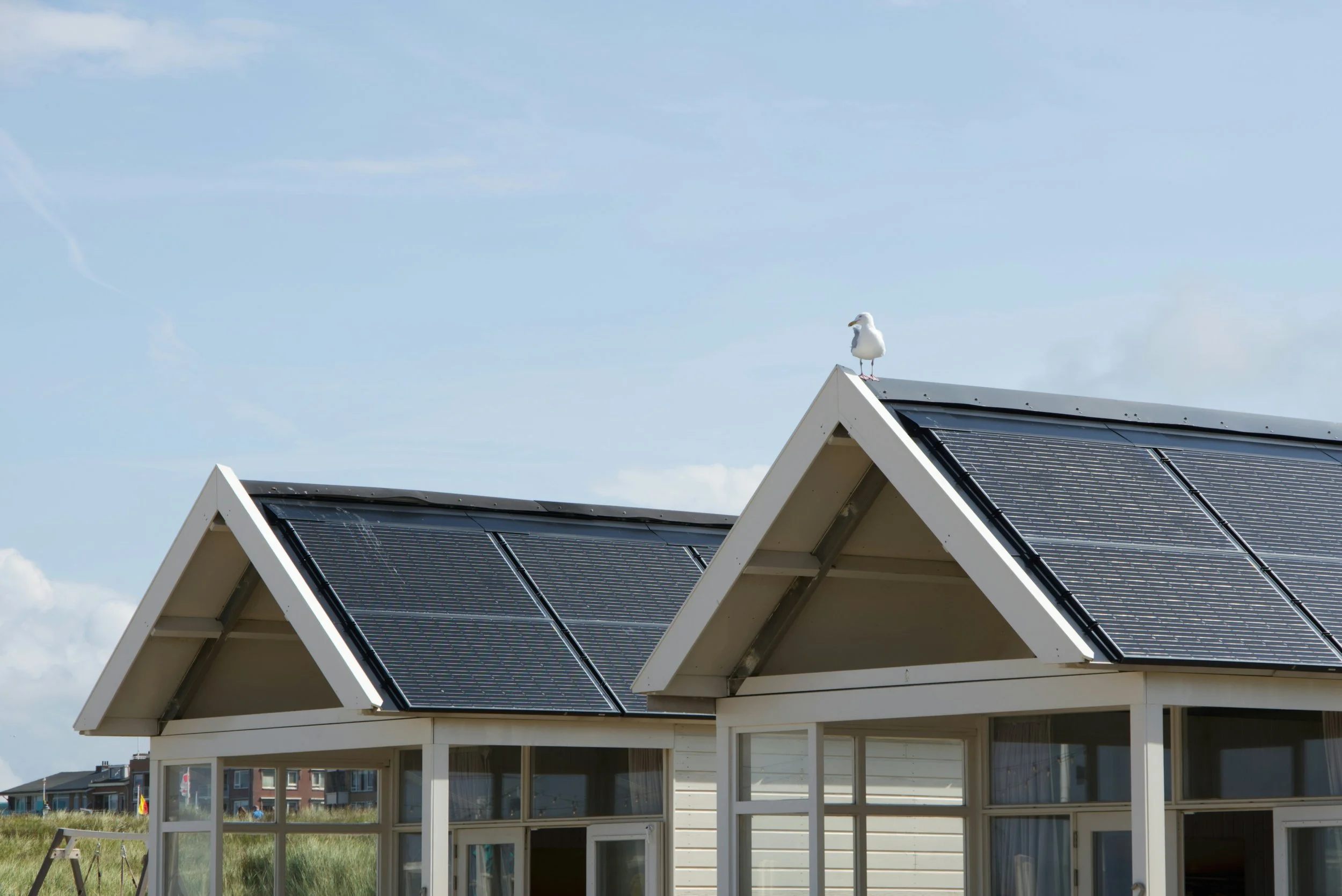
J9D5 requires buildings to cover all "available" roof area with solar panels. Available area is what remains after you subtract space taken up by plant and equipment (air conditioning units, lift overruns, water tanks), access and trafficable zones, shading from adjacent structures, and penetrations.
The code also sets a minimum system size based on the building's conditioned floor area — the heated and cooled space, as distinct from total gross floor area. There is a nuance in how the two parts of the clause interact: the requirement is to cover the available roof area, or achieve the table minimum, whichever you reach first. For a building with a large roof relative to its floor area, the table acts as a cap. For most medium-to-large commercial buildings, the available roof area after all exclusions will not reach the code minimum, and the practical outcome is filling every available square metre of roof with solar.
The size of system this produces is significant. For larger commercial buildings, the requirement commonly runs into the hundreds of kilowatts. That has real implications for how the building needs to be designed.
Why this needs to be in the design from day one
A large solar system means significant inverter infrastructure, switchboard modifications to accommodate the generation, and a roof structure designed to carry the additional load. For systems above certain thresholds, a formal network connection approval is required before commissioning — a process with its own timeframes and documentation requirements that cannot be left to the construction phase.
The decisions that matter most happen in schematic design: which roof areas are allocated to plant, how much clear space is preserved for solar, where inverters will be located, and whether the base building electrical infrastructure is sized for the generation the code requires. An architect who understands the solar requirement early can design around it. One who finds out late has to redesign around it.

Summation can help
J9D5 sits at the intersection of two disciplines: sustainability compliance and electrical engineering. Summation's energy and sustainability professionals work across both sides of that problem. Our sustainability team understands the Section J compliance pathway and what J9D5 requires at each building type and configuration. Our electrical engineers understand the design, grid connection, and technical delivery that a system of this scale involves. Having both capabilities in one team means the compliance question and the technical question get answered together, from early in the design process through to a system that's built and connected.
If you're working on a commercial project adopting NCC 2025, contact us to discuss what J9D5 means for your building.